

The summer research project also focuses on guiding students to understand the diverse expressions of culture and art. In addition to participating in ecological experiences such as shuttle tree planting and cistanche picking, students also walked into the Thangka art classroom to learn this unique form of painting deeply rooted in Tibetan culture and spiritual traditions in an immersive manner.
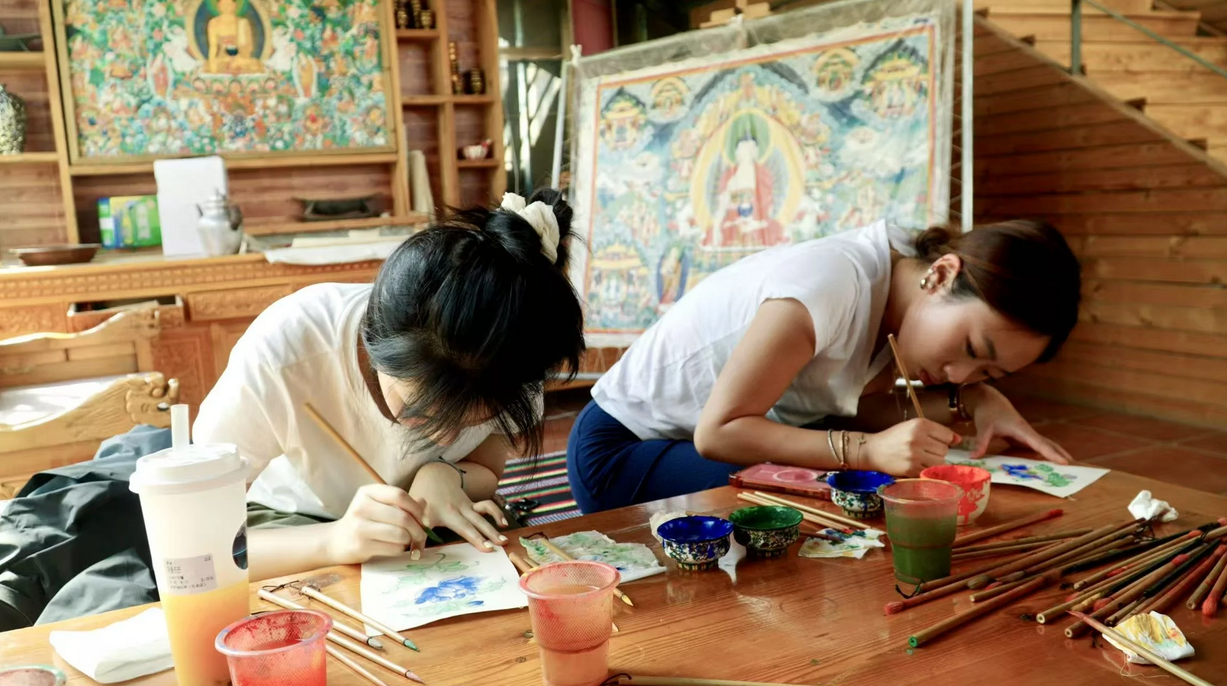
What is thangka?
Thangka is a traditional Tibetan scroll painting that combines religious symbols, storytelling and exquisite artistic craftsmanship. Each thangka is hand-painted by a craftsman on cotton or silk, using brightly colored mineral pigments. These works of art are not only decorative, but also rich in spiritual connotations. They usually depict Buddhist gods, mandalas, and scenes of man and nature living in harmony.
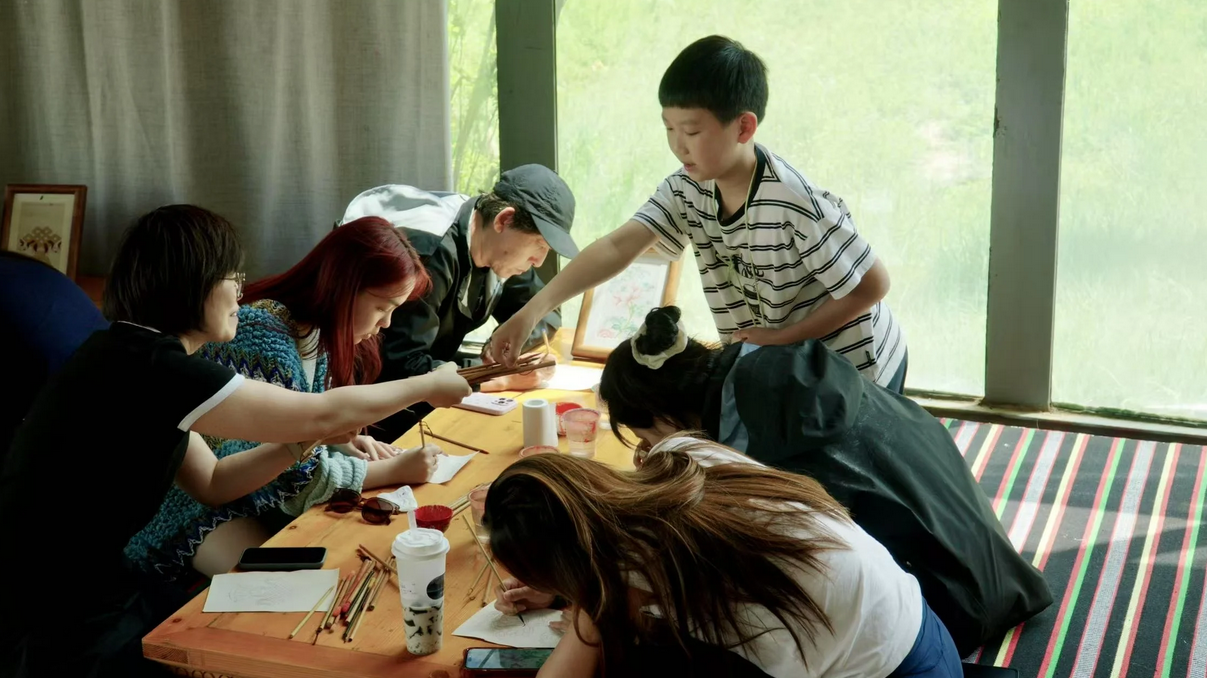
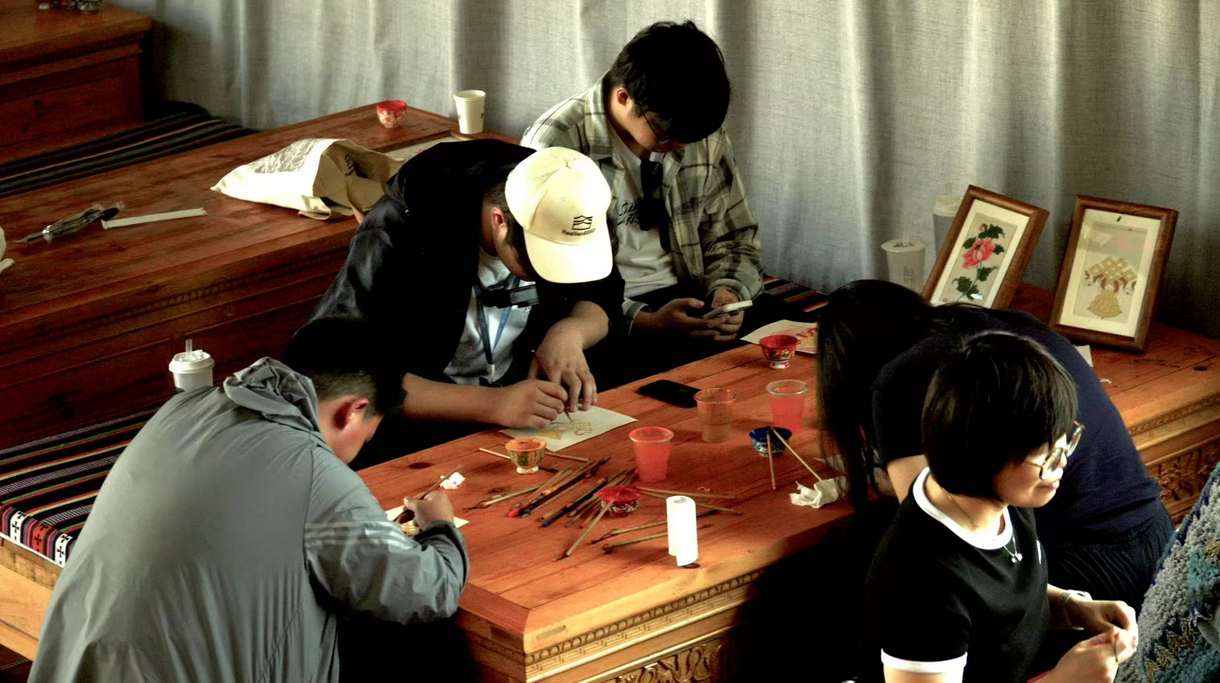
The artistic journey of learning in patience and precision
Under the guidance of a local artist with deep experience, the students learned the basic techniques of Thangka painting in sequence-from the meticulous preparation of the canvas, to the outline of sacred geometric lines, to the layers of natural mineral pigments. Coloring. Every step requires a high degree of concentration, great patience, and respect for traditional craftsmanship.
For many students, this is their first exposure to an art form that is closely linked to cultural identity and philosophical thought. As a result, the course triggered an in-depth discussion on how art can carry ecological value, allowing students to better understand that land restoration is not only a science, but also a practice of deep cultural significance.